
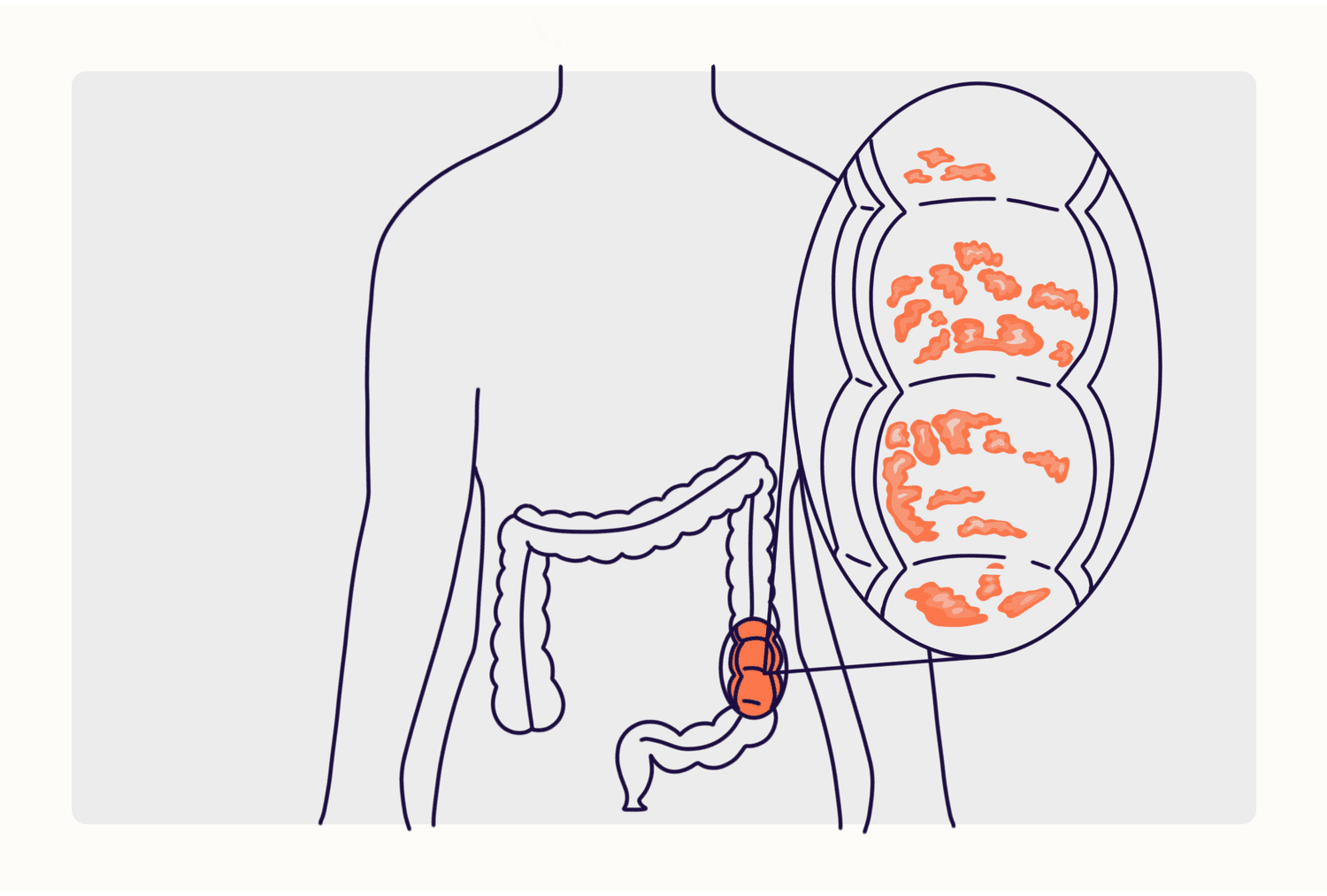
Ulcerative colitis symptoms often begin subtly and become confusing over time, and learning to recognize these early changes helps you understand what your body is signaling during daily routines without causing unnecessary worry.
What early digestive symptoms should you notice first?
Early digestive changes can feel vague because they may resemble common discomforts many people experience occasionally. According to our editor’s research, the first noticeable sign is frequent loose stools. You may feel an urgent need to use the bathroom shortly after meals. This urgency may appear suddenly and disrupt your routine. Some people notice mild abdominal cramping that comes and goes unpredictably. These cramps feel different from ordinary indigestion because they persist over several days. Gas and bloating may also increase as inflammation builds. These early changes often appear before more specific symptoms develop. Recognizing them helps you pay closer attention without panicking.
Why does abdominal pain become more noticeable over time?
Abdominal pain in ulcerative colitis develops gradually because the colon lining becomes increasingly inflamed. As a result of our editor’s reviews, inflammation reduces digestive comfort and increases sensitivity to normal bowel movement. You may feel a dull ache that intensifies before bowel movements. The pain often settles temporarily but returns within hours. Many people describe a twisting or heaviness in the lower abdomen. This discomfort feels persistent rather than occasional. The pain may disturb your concentration and appetite. Over time, abdominal discomfort becomes one of the clearest early clues. Understanding these patterns helps you identify when symptoms differ from simple digestive irritation.
How does blood in stool signal inflammation?
One of the more recognizable symptoms is the presence of blood, which indicates that the lining of the colon is irritated. According to our editor’s research, the blood often appears bright red because it comes from the lower digestive tract. You may notice streaks of blood on tissue or mixed with stool. This symptom may feel alarming, yet it often appears in early ulcerative colitis. Some people also observe mucus in their stool. Mucus reflects increased inflammation in the colon lining. These changes usually appear alongside urgency and abdominal discomfort. Recognizing these patterns helps you interpret what your body is trying to communicate.
Why does fatigue become a major early symptom?
Fatigue surprises many people because they do not immediately connect tiredness with digestive inflammation. As a result of our editor’s reviews, chronic inflammation drains energy because the immune system stays active for long periods. This energy shift affects your mood, focus, and daily rhythm. You may feel tired even after a full night’s sleep. Mild tasks may require more effort than usual. Fatigue may intensify when urgent bowel movements interrupt rest. Over time, fatigue becomes one of the more disruptive symptoms because it affects daily routines. Recognizing fatigue as part of ulcerative colitis helps you understand the broader impact of inflammation on the body.
How do appetite changes help identify symptoms?
Changes in appetite often appear early because inflammation affects digestion and comfort. According to our editor’s research, many people notice reduced appetite during flare ups. Eating may trigger discomfort, which leads to smaller meals or skipped meals. You may feel full quickly or lose interest in certain foods. These appetite changes differ from ordinary fluctuations because they last longer and connect with digestive symptoms. Some people lose weight unintentionally because they avoid eating to reduce discomfort. Recognizing appetite changes helps you understand how your body reacts to inflammation. These signs become clearer when viewed alongside other symptoms.
Why do bowel frequency and urgency increase?
In ulcerative colitis, inflammation stimulates the colon and increases bowel activity. As a result of our editor’s reviews, frequent bathroom visits become a major symptom. You may feel an urgent need to use the bathroom several times a day. The urgency may feel uncontrollable and appear suddenly. This pattern differs from regular bowel changes because it persists and becomes unpredictable. Nighttime urgency may interrupt sleep. Stools may become watery, loose, or accompanied by mucus. These changes indicate that the colon is struggling to absorb water properly. Recognizing the frequency helps you distinguish ulcerative colitis from simple digestive reactions.
How does weight loss signal inflammation?
Inflammation affects nutrient absorption and appetite, which contributes to weight loss. According to our editor’s research, weight loss becomes noticeable when the body struggles to absorb calories. The combination of reduced appetite and frequent bowel movements increases this effect. You may notice changes in clothing fit or reduced strength. Weight loss may appear even when you try to maintain your normal eating routine. This symptom becomes more pronounced during flare periods. Recognizing early weight changes helps you identify deeper digestive concerns. Seeing weight loss alongside blood in stool and urgency creates a clearer picture of inflammation.
Why do joint symptoms sometimes appear early?
Many people do not expect joint discomfort to connect with digestive disorders, yet inflammation affects multiple areas of the body. As a result of our editor’s reviews, some individuals experience joint pain or stiffness. This discomfort often appears in large joints such as knees or ankles. The pain may worsen during flare ups. Joint inflammation reflects the body’s heightened immune activity. You may notice morning stiffness or discomfort after activity. Recognizing these symptoms helps you understand the broader effects of systemic inflammation. Joint symptoms paired with digestive issues strengthen the suspicion of ulcerative colitis.
How do long term patterns help identify ulcerative colitis?
Symptoms of ulcerative colitis appear in cycles because inflammation rises and falls. According to our editor’s research, flare ups follow periods of calm. During calm periods, symptoms reduce but rarely disappear completely. You may notice mild discomfort even when overall symptoms improve. Tracking patterns over weeks helps identify the condition more clearly. The combination of urgency, fatigue, blood in stool, and appetite changes forms a consistent pattern. Recognizing these cycles helps differentiate ulcerative colitis from temporary digestive issues. Over time, these patterns become more noticeable and easier to interpret.
What subtle symptoms do people often overlook?
People sometimes overlook minor symptoms because they appear insignificant at first. As a result of our editor’s reviews, mild nausea, low grade fever, or tenderness in the abdomen may signal early inflammation. Some people notice a feeling of incomplete bowel movement. Others feel a slight pressure that lingers after using the bathroom. Emotional changes such as irritability may appear because discomfort affects daily routines. These subtle symptoms become clearer when combined with more specific signs. Recognizing them early helps you understand the full picture of what your body is signaling over time.